Buying a house in Sumner
A working guide for people already looking in Sumner: the housing stock, the flood maps on the valley floor, and how people get to Seattle and Tacoma from here.
What kinds of homes are in Sumner?
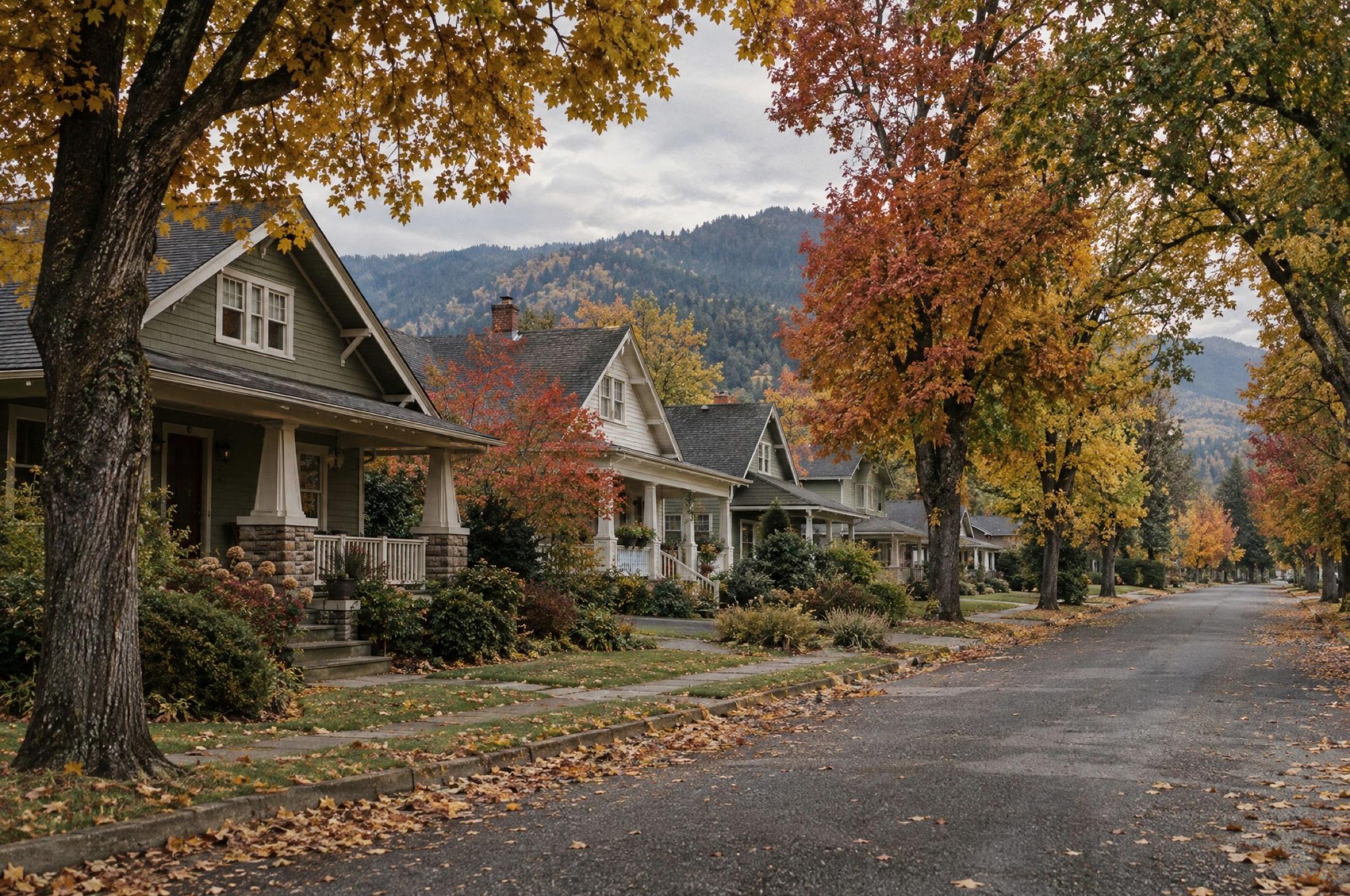
Sumner has most of what a valley town collects over a century and more: early houses near downtown, postwar ranches, subdivisions from the last few decades, and a scattering of townhomes and small acreage at the edges. The choice usually comes down to how far you want to walk to Main Street and the train, and how much old-house homework you’re willing to take on.
Older homes near downtown
The blocks around Main Street, Park Street, Mason Street, and Loyalty Park hold the oldest houses in town, many of them bungalows and farmhouse-style homes from the early 1900s. They sit on walkable streets close to downtown and Sumner Station. They also carry the usual old-house questions: original wiring, aging side sewer lines, galvanized plumbing, and additions built over the decades by owners of varying skill. Book a thorough inspection and a sewer scope, and ask the City of Sumner for the permit history while your inspection period is still open.
Postwar and mid-century houses
Ranches and split-levels fill many of the neighborhoods between downtown and the edges of town. They tend to have simpler floor plans, garages, and more yard than the downtown blocks. Their questions are about age as well, just different ones: the roof, the furnace, the water heater, and whether the crawlspace stays dry through a wet valley winter.
Newer neighborhoods
Subdivisions from recent decades sit toward the edges of Sumner and up the hill on the plateau toward Bonney Lake. Expect open floor plans, attached garages, and often a homeowners association with its own rules and dues. Ask for the association’s documents early and read them during your review period. The budget and the last year of meeting minutes show whether dues are about to rise or a special assessment is coming.
Townhomes, condos, and acreage
Attached housing is a smaller share of what comes up in Sumner, so if that’s what you want, watch for it closely and be ready to move. At the other end, small acreage and farm properties turn up on the valley floor toward Orting and in unincorporated Pierce County. Those bring wells, septic systems, outbuildings, and zoning questions that a typical in-town house never raises.
What should I know about flood risk in the Sumner valley?
Sumner sits on the floor of the Puyallup River valley, where the White River joins the Puyallup. Much of the valley is low, flat ground near the water, so check the flood picture on any property here before you write an offer.
Start with the flood maps published by the Federal Emergency Management Agency, which show whether a property sits in a mapped special flood hazard area. If it does and you’re financing with a federally backed mortgage, your lender will require flood insurance. Outside a mapped zone, a quote is still worth getting. Premiums vary a great deal from one property to the next, and they can change what a house really costs you each month.
Questions to ask on a valley property
- What does the seller’s disclosure say? Washington sellers of most homes complete a disclosure statement, commonly called Form 17, which asks about flooding and drainage. Read those answers closely.
- Has water ever come into the crawlspace, basement, or garage? Your inspector should look for staining, sump pumps, standing water, and the condition of the vapor barrier.
- How high does the lowest floor sit? A surveyor can measure it and record it on a certificate, and an insurer may use that in pricing a policy. Some sellers already have one on file.
- What does an insurance agent quote for this address? Get the quote during your inspection period.
The City of Sumner’s White River Restoration Project is turning a former golf course along the river into side channels and floodwater storage. Work like that, and any update to the flood maps, can change conditions over time, so check current information for the specific address.
Mount Rainier and lahar zones
Parts of the Puyallup valley, including areas of Orting, Sumner, and Puyallup, lie inside mapped lahar hazard zones: the ground that volcanic mudflows from Mount Rainier could reach. Pierce County publishes those maps along with evacuation routes. It seldom comes up in a showing, so look at the map for the address you’re considering and decide how you feel about it.
How do people commute from Sumner?
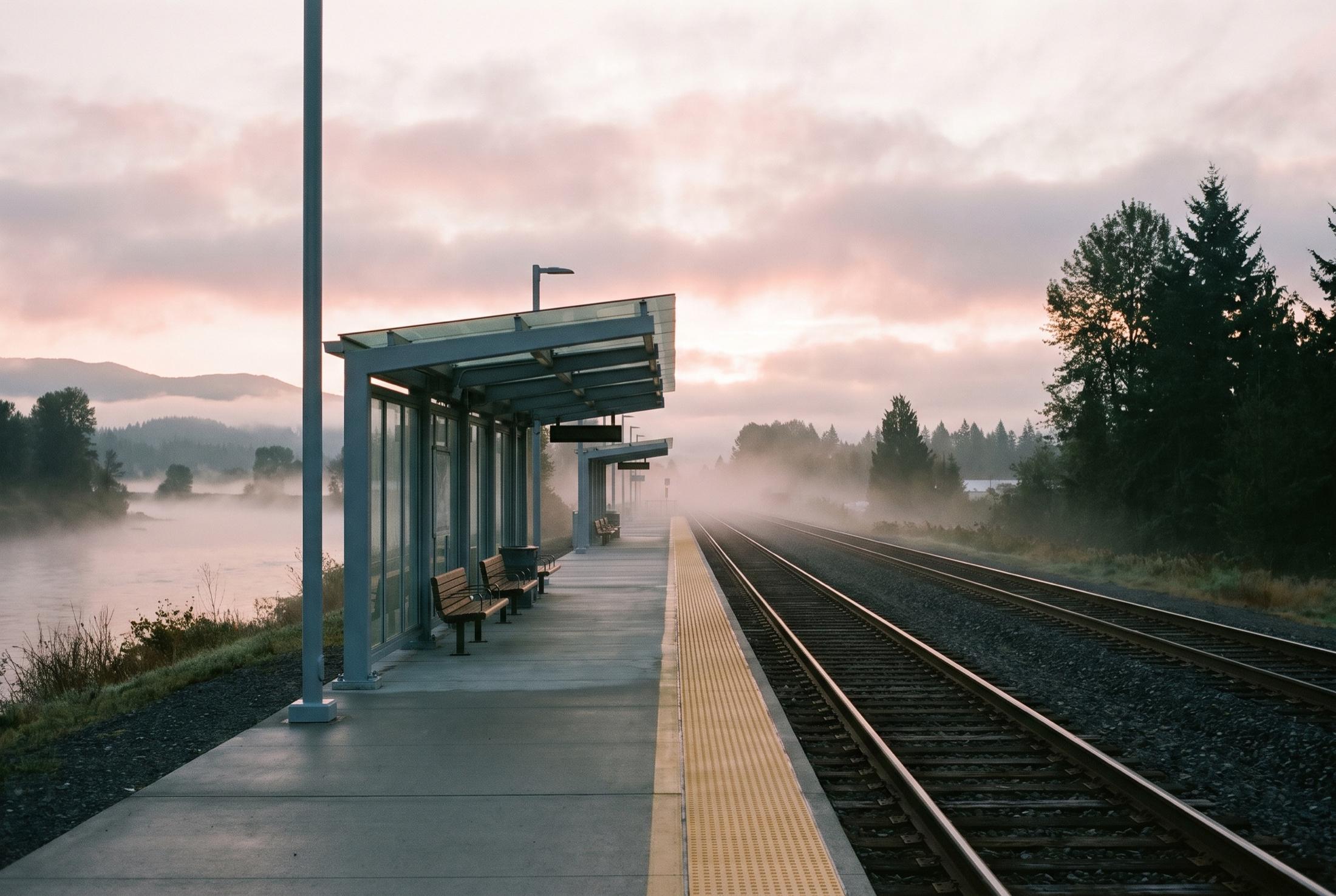
By train or by highway, and many households use both. Sumner is on Sound Transit’s Sounder S Line, which runs between Lakewood, Tacoma, and Seattle’s King Street Station, stopping at Puyallup, Sumner, Auburn, Kent, and Tukwila along the way. Service is heaviest on weekday mornings and evenings, so hold the current schedule up against your working hours before you count on it.
Sumner Station
Sumner Station is at 810 Maple Street, a short walk from Main Street. Station parking is limited while Sound Transit builds a parking garage on Harrison Street, just south of the station, which it expects to open in late 2026 or early 2027. Riders coming down from the plateau can also leave the car at the Bonney Lake Park & Ride and take ST Express route 596 to the station.
If the train is central to your plans, weigh early in your search how far a house sits from the platform on foot or by bike. It can matter more than an extra bedroom.
By car: SR 167, SR 410, and SR 512
SR 167, the Valley Freeway, runs north from the Sumner and Puyallup area through Auburn and Kent to Renton, where it meets I-405. It is the usual route toward the Kent Valley and the Eastside.
SR 410 begins in Sumner and climbs east to Bonney Lake, then continues toward Buckley, Enumclaw, and, in summer, Chinook Pass near Mount Rainier. SR 512 connects Puyallup to I-5 at Lakewood, which many people use for trips toward Tacoma, Joint Base Lewis-McChord, and Olympia.
Traffic on every one of these changes with the hour. Before you commit to a house because of a commute, drive the route yourself on a weekday, at the time you would actually be driving it.
How does buying a home work in Washington?
The broad steps are the same across the state. How long each one takes varies with the property, the loan, and the terms you negotiate.
- Talk with a lender. A preapproval tells you what you can borrow and shows a seller you’re ready. Compare what a monthly payment looks like with taxes and insurance included, including flood insurance where it applies.
- Sign a buyer agreement. Washington requires a written services agreement between you and the brokerage, signed before or soon after your broker starts working for you. It names your broker and sets out the term and how the brokerage is paid. I go through it with you line by line before you sign.
- Tour homes and write an offer. An offer is a purchase and sale agreement: the price, earnest money, a closing date, and contingencies such as inspection and financing.
- Use the inspection period well. This is the time for the home inspection, a sewer scope, insurance quotes, and association documents. Afterward you can ask for repairs or credits, accept the house as it is, or walk away within the terms of the contract.
- Appraisal and final loan approval. The lender orders an appraisal and finishes underwriting.
- Escrow and title. An escrow company holds the money and prepares the closing documents. A title company researches ownership and issues title insurance.
- Closing. You sign, the loan funds, the deed is recorded with Pierce County, and the keys are yours.
Sumner, Puyallup, Orting, or Bonney Lake?
Most people who look in Sumner also look at the towns around it. The table is the short version. Where you spend your weekdays usually settles it.
| Town | Setting | Train | Main roads | Public schools |
|---|---|---|---|---|
| Sumner | Valley floor, historic downtown, where the White River meets the Puyallup | Sounder at Sumner Station | SR 167, SR 410 | Sumner-Bonney Lake School District |
| Puyallup | A larger city, on the valley floor and up onto South Hill | Sounder at Puyallup Station | SR 512, SR 161, SR 167 | Puyallup School District |
| Orting | A small town on the valley floor between the Puyallup and Carbon rivers | None; drive to Puyallup or Sumner | SR 162 | Orting School District |
| Bonney Lake | On the plateau above the valley, near Lake Tapps | ST Express 596 down to Sumner Station | SR 410 | Mostly Sumner-Bonney Lake School District |
School boundaries don’t follow city limits exactly. Confirm the assigned schools for any address with the district.
Call before you start touring
If you’re early in your search, call me. I’ll ask where you work and which trade-offs you can live with. Then I’ll set up a search around those answers, and we’ll tour the houses worth a Saturday.