Selling a house in Sumner
Preparation, pricing, and marketing, in the order they happen, plus what a seller in Washington pays at closing.
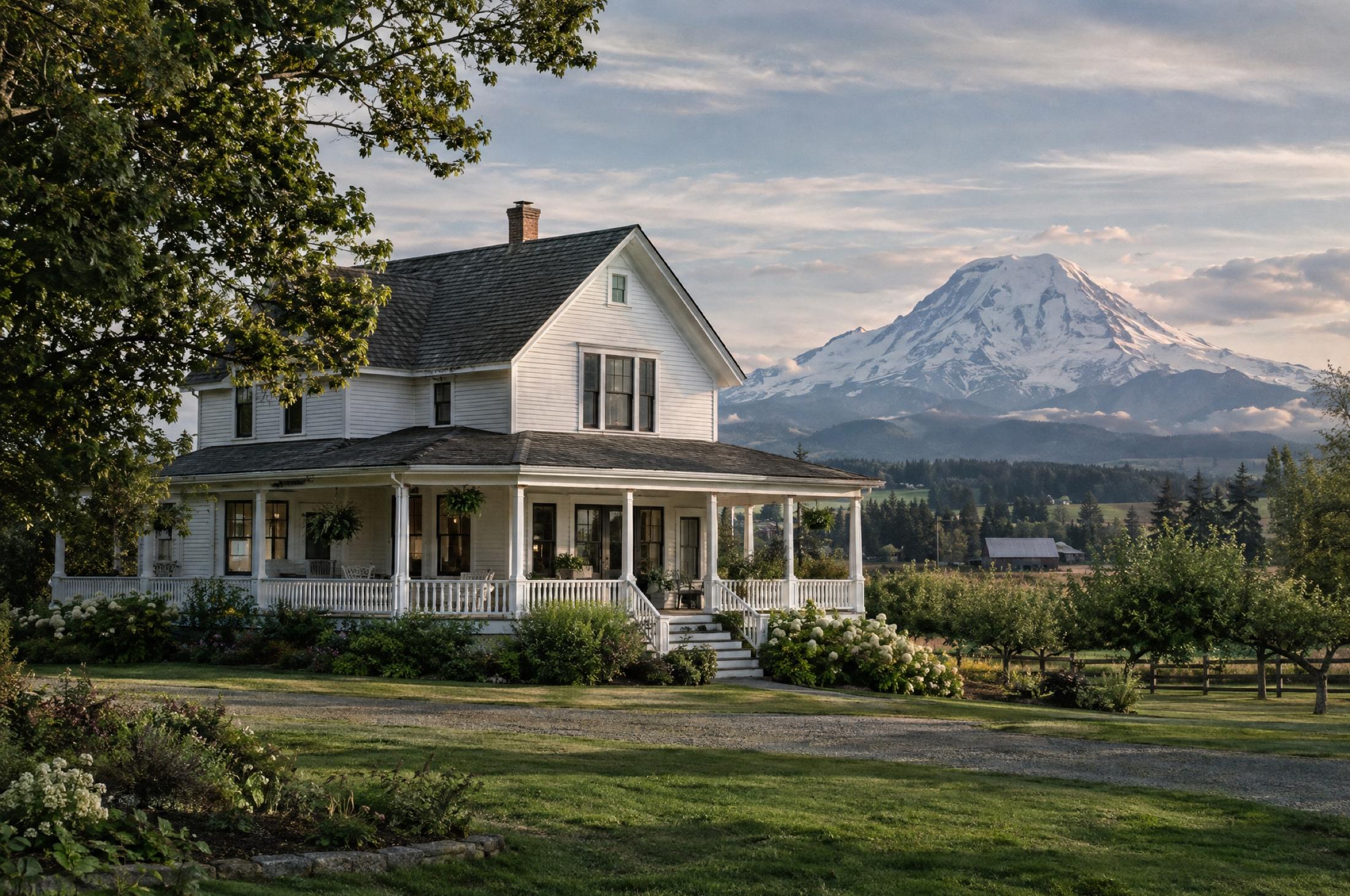
Most of what decides a sale happens before the listing goes live. Here is how I handle that stretch for sellers in Sumner and the towns around it, and what the sale costs you at the end.
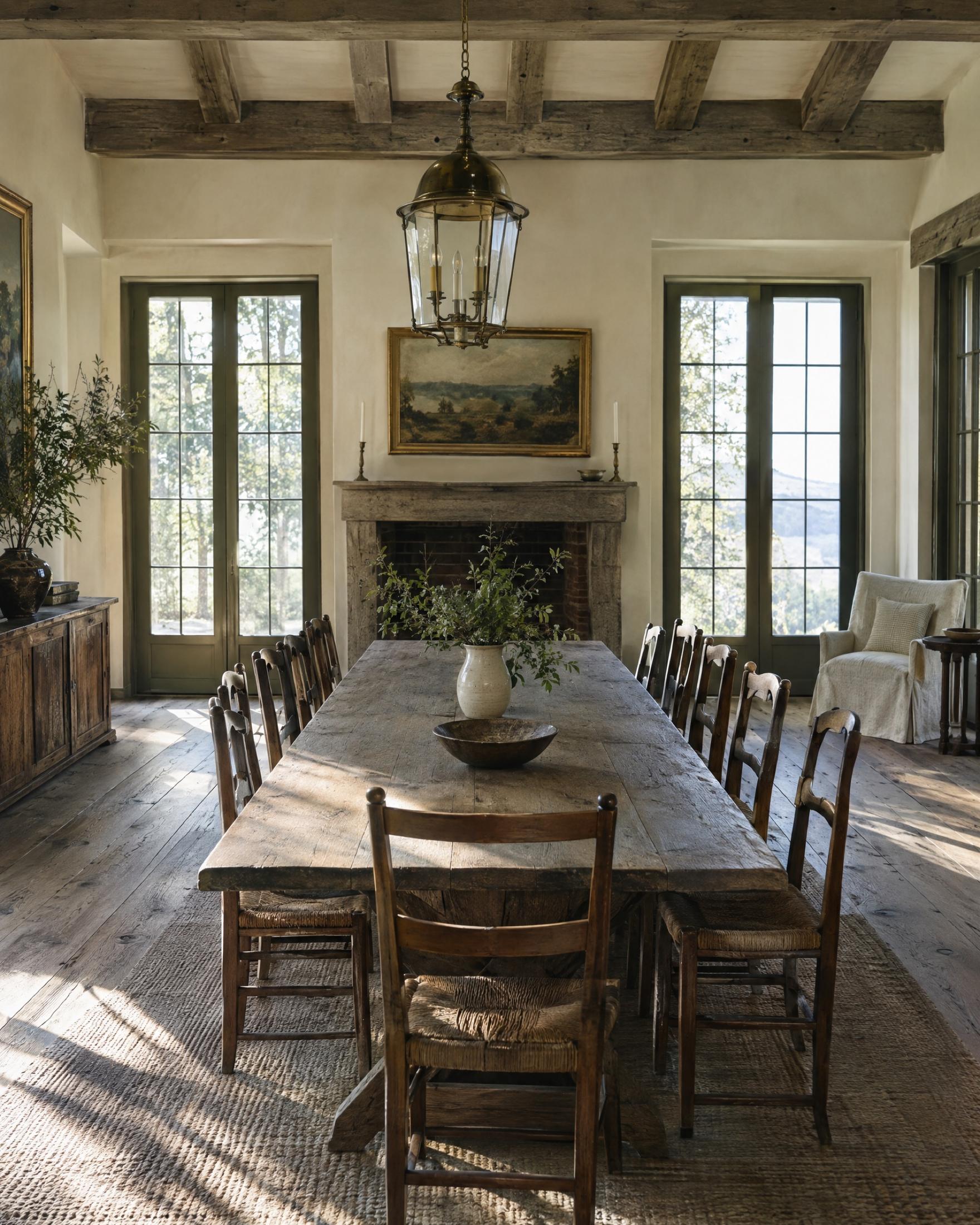
How should I prepare my house before listing?
Start with a walk-through. Before we talk about price, I come see the house with you, room by room. I’m looking for what buyers and their inspectors will find: a soft spot on the deck, a slow drain, a stained ceiling, an old electrical panel. Then we decide, item by item, what to fix before listing and what to simply disclose.
Repairs worth making
Small, visible repairs change how a house shows for very little money. Fresh caulk, working light fixtures, doors that latch, clean gutters, and a mowed edge along the walk all tell a buyer the place has been cared for. Bigger projects like a new roof, a kitchen remodel, or new siding are harder to justify right before a sale. The exception is anything that would stop a buyer’s loan, and I’ll talk through each one with you before you spend money.
Pre-listing inspections
On older homes, especially around downtown Sumner, a pre-listing inspection and a sewer scope can be worth the cost. You learn about problems on your own schedule and can repair or price with that knowledge. Fewer surprises surface in the middle of a buyer’s inspection period. The trade-off is that whatever you learn, you disclose.
Getting it ready to photograph
Buyers see photographs before they see houses. Clear the counters, take down most personal pictures, cut back shrubs that shade the windows, and open every blind. In the valley, where winter light is thin, lamps on and blinds up make a visible difference. I’ll leave you a room-by-room list.
The seller disclosure, Form 17
Washington requires sellers of most residential property to give buyers a disclosure statement, known as Form 17. It covers title, water, sewer or septic, the structure, the systems, and environmental questions including flooding. Answer it honestly and completely. Once the buyer receives it, state law gives them a short period to accept it or rescind the purchase agreement. If you’re unsure how to answer something, ask a real estate attorney. I can explain what each question is asking, but I can’t give legal advice.
How do you decide on a list price?
The price comes from recent sales, not from a neighbor’s hopes or an online estimate. I pull the closed sales that are truly comparable to your house: the same kind of home, a similar size and age, close by, and recent. In Sumner that often means paying attention to details a spreadsheet misses, like which side of the river or the highway a sale sits on, and whether it’s down on the valley floor or up on the hill.
Then I look at what’s for sale and pending right now, because those are the houses yours will compete with. Active listings show what buyers are choosing between. Pending sales show what they chose.
The list price is your decision. My part is an honest read of the sales, including when I think a number is too high.
You get a written pricing analysis with the comparable sales I used and my reasons for each. If we disagree, we’ll talk it through with the evidence on the table.
What online estimates miss
Automated estimates can’t see inside a house. They don’t know the kitchen was redone or that the basement takes water in January. Treat them as a rough starting point and nothing more.
How will my home be marketed?
Most buyers meet a house on a phone screen first, so most of the work goes into what they see there.
- Professional photographs, taken when the light is right, plus a floor plan so buyers understand the layout before they visit.
- A written description that tells buyers what they can’t see in pictures: the walk to Sumner Station, or the shop out back.
- A listing on the Northwest Multiple Listing Service, which feeds the home search websites most buyers use.
- Showings booked around your schedule, with clear instructions for buyers’ agents and their feedback passed along to you.
- Open houses, when they make sense for the house and the season.
I’m also part of Homexa®, a network of 300+ agents across 25 states. That matters when the right buyer for your house is relocating to the valley from somewhere else and working with an agent back home.
What does it cost to sell a home in Washington?
The main costs are the brokerage commission, Washington’s real estate excise tax, escrow and title charges, and the payoff of any mortgage or liens.
Commission is negotiable and written into the listing agreement. The excise tax is owed by the seller at graduated rates set by the state. In this part of Washington, sellers customarily pay for the buyer’s owner’s title insurance policy and split the escrow fee with the buyer, though the purchase agreement decides the details. Before you list, I’ll give you a written estimate of your net proceeds so the numbers at closing are ones you’ve already seen. The escrow company prepares the final figures.
How long does it take to sell?
It varies with the house, the price, the season, and what a particular buyer needs. After an offer is accepted, the time to closing depends on the inspection and financing timelines and on the closing date you negotiate. I’ll talk you through what to expect for your house specifically.
Walk me through the house
The first step is a walk-through at your place. You’ll come away with a written list of what I’d do before listing, whether or not you hire me. Call, or send a note with a little about the house and your timing.